

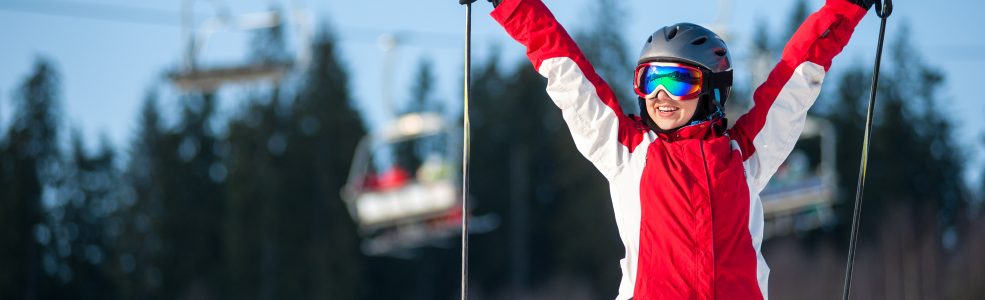
Winter weather brings stiff muscles and joints. The cold weather can impact how the body moves and reacts to physical activity. The body’s reaction to weather can reduce blood flow to your muscles, making them less efficient and more prone to common winter sports injuries. Stiff muscles may reduce your range of motion, making you more susceptible to strains and tears in the cold weather months.
Falls are the leading cause of common winter sports injuries, especially during skiing, snowboarding, and ice skating. Losing balance on icy or uneven surfaces can result in wrist fractures, shoulder injuries, knee ligament strains, and hip trauma. Many people instinctively extend their hands to break a fall, increasing the risk of broken wrists and forearm injuries.
Cold weather further increases injury risk by tightening muscles and reducing joint flexibility, making the body more vulnerable to strains, ligament tears, and fractures. OrthoOIC in Arlington, VA, often sees an increase in knee, shoulder, hip, and elbow injuries during winter months, particularly from slips, falls, and high-impact activities. Popular winter sports commonly lead to ligament and tendon injuries such as ACL tears and torn rotator cuffs. Prompt evaluation of these injuries is important to prevent long-term stiffness, instability, or improper healing.
Not all common winter sports injuries happen suddenly. Repetitive movements during skiing, hockey, or snow shoveling can lead to overuse injuries such as tendonitis, muscle strains, and joint inflammation. Cold temperatures reduce muscle flexibility, making the body more vulnerable to injury when warming up is skipped. Persistent pain, swelling, or reduced range of motion should not be ignored, as early treatment can help avoid more serious damage.
Knee injuries, such as ligament tears and meniscus injuries, are some of the most common cold weather injuries in skiing and snowboarding. These sports often involve rapid changes in direction and sudden stops, which can put significant stress on the knee. Falling in the wrong direction or a sudden bend in the knee can cause torn ligaments, a dislocation, or fractures. The most common winter sports injuries associated with skiing are ACL or MCL tears. The ACL and MCL are both ligaments in the knee that provide stability. Which ligament tear occurs is typically based on the type of injury. ACL injuries often occurs from sudden stops or changes in direction, while MCL tears are most common from a sudden impact to the outside of the knee. Both knee injuries can cause pain, swelling, and difficulty walking, but the severity and treatment vary depending on the extent of the tear.
Sprains and fractures are common winter sports injuries as well. Wrist and shoulder injuries often happen when trying to break a fall with outstretched arms. Falls, collisions, and sudden impacts contribute significantly to the number of broken bones from winter sports. Wrist, ankle, and collarbone injuries are seen more often at OrthoOIC during the winter months. Collarbone fractures are common in skiing and snowboarding accidents. To help prevent broken bones from winter sports, it is crucial to wear appropriate protective gear. As cold weather does impact the muscles and limit range of motion, it’s important to warm up before activity to help reduce the risk of injury.
Concussions are a significant concern for skiers and snowboarders. Falls, collisions with other individuals or objects, and impacts with the ground can all lead to head injuries. Even minor bumps to the head can cause concussions, with symptoms including headaches, dizziness, nausea, and difficulty concentrating. If you experience a fall on the slopes or on the ice, we urge you to get an assessment. Ignoring symptoms or delaying treatment can significantly extend your recovery, forcing you to miss out on the activities you love. If you suspect a concussion, it is crucial to seek medical attention immediately. OrthoOIC in Arlington, VA, provides urgent care for concussion. Continuing to participate in activities after a head injury can worsen the effects and increase the risk of long-term complications. Prevent head injuries with appropriate protective gear, such as helmets, when skiing or snowboarding.
Yes. Orthopedic urgent care is often the right choice for common winter sports injuries that are painful but not life-threatening. At OrthoOIC, patients can receive on-site X-rays, splinting, bracing, and same-day orthopedic evaluation without the long wait times of an emergency room. Prompt care helps reduce pain, speeds recovery, and ensures injuries are treated correctly from the start.
Not sure if you should see a doctor for your winter sports injuries? You should see a doctor if pain worsens after a fall, swelling increases, you cannot bear weight, or you experience numbness or instability. These symptoms may indicate fractures, ligament tears, or joint injuries that require professional orthopedic urgent care. Winter sports can be a thrilling way to enjoy the season. But they also come with an increased risk of injury. The experienced orthopedic specialists at OrthoOIC can help you get back up and active in the things you love. Our team is trained to diagnose, assess, and treat musculoskeletal injuries and head injuries. Visit OrthoOIC in Arlington, VA, with convenient walk-in care, weekend and extended hours to meet your needs with unsuspecting common winter sports injuries.